 Save
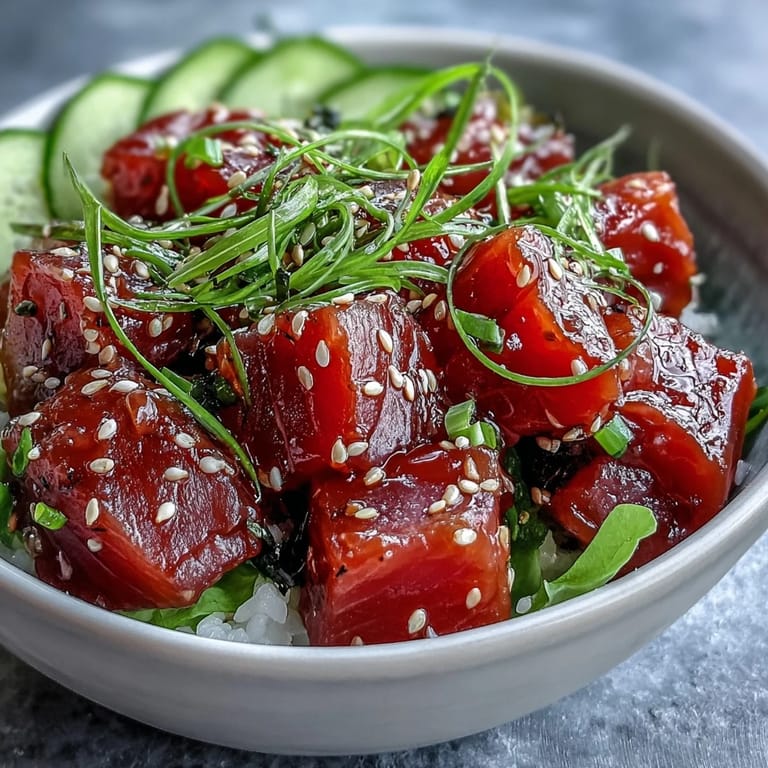
Save The jolt of citrus and sesame from a fresh poke bowl never fails to remind me of breezy spring evenings spent with the windows wide open. The first time I got all the components together for this poke bowl, the kitchen actually smelled like a sushi bar mingling with a blooming garden – unexpected and uplifting. There was something joyful about dicing the red-fleshed tuna on a sunny counter, rows of sliced radishes fanned out beside it. Sharp aromas from ponzu and onion drifted through, mixing with that familiar seaweed scent. I still remember grinning as I arranged the toppings, like laying out edible jewels for a quiet celebration.
I made this tuna poke bowl for my best friend after a long week, both of us barely talking at first, just slicing vegetables side by side as music played in the background. By the time we took our first bite, the spell was broken and we ended up sharing stories late into the evening, surrounded by empty bowls and the scent of sesame lingering in the air.
Ingredients
- Sushi-grade tuna: Fresh, high-quality tuna makes all the difference, and I always ask the fishmonger for a recommendation on what’s pristine that day.
- Ponzu sauce: Its citrusy brightness lifts the flavor, so try to use a good ponzu or even splash a homemade one together if you’re inspired.
- Sesame oil: Just a little transforms the marinade, but don’t overdo it – I learned the hard way that too much can crowd out the tuna’s clean flavor.
- Soy sauce: Adds savory depth; opt for reduced-sodium if you want the flavors more delicate.
- Rice vinegar: Gives both the rice and the fish their gentle tang – I always keep an extra bottle on hand just in case.
- Toasted sesame seeds: A sprinkle brings unexpected crunch and a toasty aroma to each bite.
- Cucumber: For real crunch, slice it as thinly as possible – even a mandolin comes in handy.
- Radish: Peppery slices brighten every forkful, and pink rounds make the bowl look extra cheerful.
- Avocado: Creamy, ripe avocado balances the tang and salt; if it’s too firm, let it sit on the counter for a bit longer.
- Carrot: Julienned for color and sweetness – I sometimes sneak a taste as I prep.
- Edamame: A handful of these little beans adds nuttiness and color; buy them shelled to save time.
- Spring onions: Thinly sliced, they bring sharpness and lovely freshness overhead.
- Pickled ginger (optional): Adds a zingy contrast that makes each bite even livelier.
- Sushi rice: Sticky and seasoned just so, it’s the perfect base for the flavors to mingle – don’t rush the cooling step!
- Rice vinegar (for rice): Just a drizzle after cooking makes the rice sing.
- Salt: A gentle pinch for subtle savoriness in the rice.
- Nori: Thin strips scattered on top echo that subtle briny backdrop – use kitchen scissors for clean cuts.
- Extra sesame seeds: The more crunch the better, I say.
- Microgreens (optional): These look dainty and add a final fresh pop if you have them around.
Tired of Takeout? 🥡
Get 10 meals you can make faster than delivery arrives. Seriously.
One email. No spam. Unsubscribe anytime.
Instructions
- Mix the Marinade:
- In a bowl, gently combine diced tuna with ponzu, sesame oil, soy sauce, rice vinegar, and sesame seeds. Let it chill in the fridge for 10 minutes so the flavors quietly meld.
- Season the Rice:
- While the tuna rests, season your cooled sushi rice with rice vinegar and a pinch of salt; toss it lightly to keep the grains fluffy and distinct.
- Prep the Toppings:
- Slice cucumber, radishes, avocado, carrot, and spring onions as thinly as possible. Arrange them in neat piles on your board so assembly is a breeze.
- Bowl Assembly:
- Divide the seasoned rice into two bowls, each looking like a blank canvas just waiting for color.
- Add the Tuna & Veggies:
- Artistically lay the marinated tuna, vegetables, and edamame atop the rice, creating pockets of crunch, cream, and tang throughout.
- Garnish and Finish:
- Top with pickled ginger if you like, and finish with nori strips, extra sesame seeds, and a scattering of microgreens for a final flourish. Serve as soon as you can – it’s best enjoyed right away.
 Save
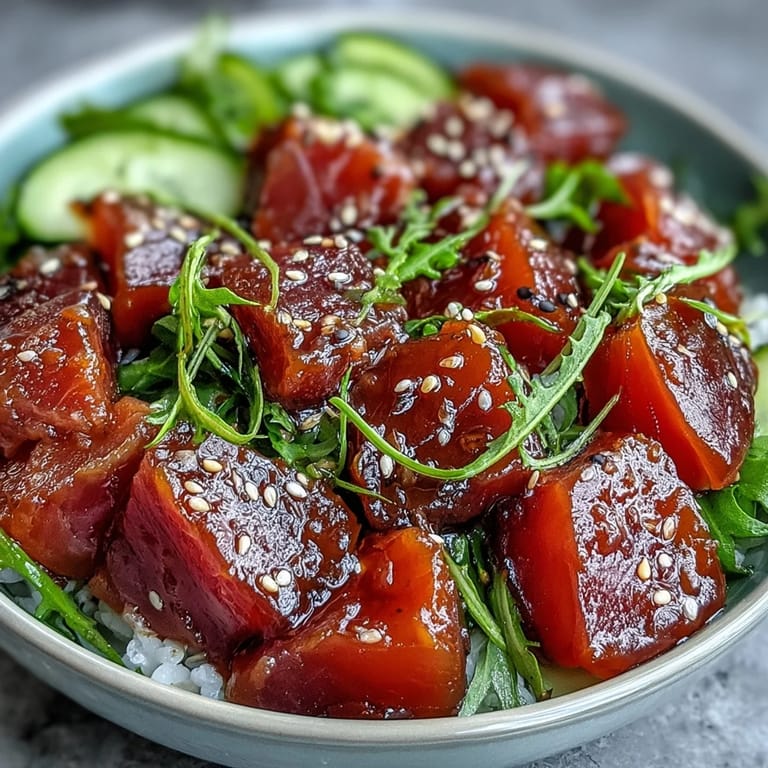
Save There was a day when a drizzle of extra ponzu landed in the bowl and suddenly, every flavor tasted brighter – a nudge from a small mistake that made dinner unforgettable. It's funny how little tweaks and shared laughs can make a dish part of your own stories.
How to Source the Freshest Tuna
I learned quickly that chatting with the fishmonger is more useful than any label – ask when and how the tuna was caught, and always trust your nose over your eyes. Fresh tuna should smell like ocean air, not fish, and it should feel firm to the touch with a luminous appearance.
Tips for Perfect Sushi Rice at Home
Cooling the rice on a flat surface with a gentle fan (even an open window) gives you plump, shiny grains ready for seasoning. Use a rice paddle or wide spatula, working delicately instead of stirring, to avoid mashing the grains and losing that signature sushi rice integrity.
Easy Ways to Customize Your Bowl
Over time, I started swapping in salmon, tofu, or roasted shiitake when I needed variety – every version brings something new. Even the smallest garnish, like pickled mustard seeds or chili oil, can nudge the flavors in a different direction.
- Toss in mango or pineapple for a spring-summer riff.
- Try furikake instead of plain sesame seeds for a bolder crunch.
- Pressing the nori flat with your palms makes slicing strips much easier.
 Save
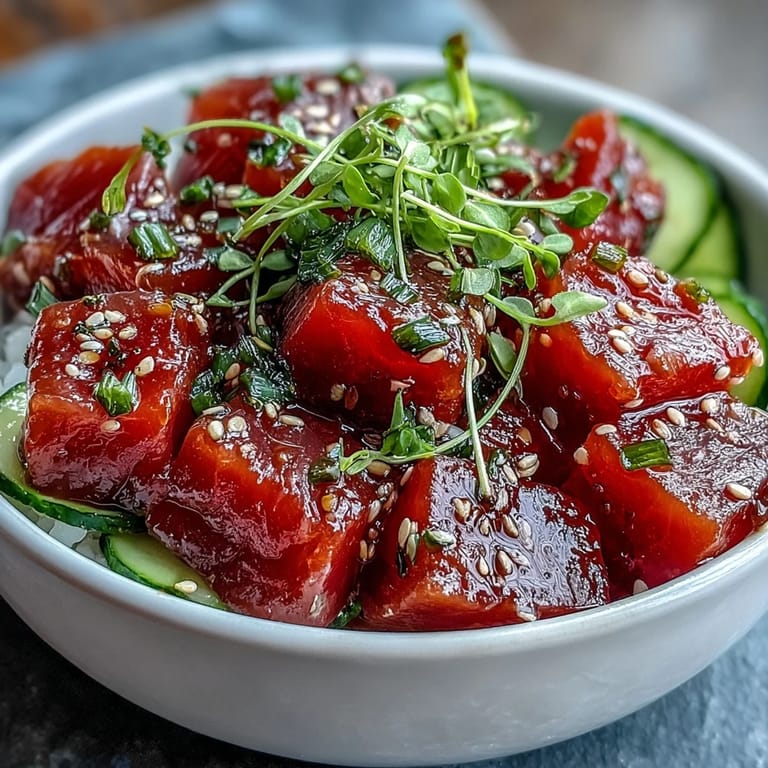
Save This poke bowl never fails to bring a splash of color and calm to even the busiest day. I hope it turns ordinary weeknights in your kitchen into something quietly special, one satisfying bite at a time.
Recipe FAQ
- → How long should the tuna marinate?
Marinate the diced tuna about 10 minutes in the refrigerator to absorb ponzu and sesame oil without losing its tender texture; avoid over-marinating to preserve the fish's delicate bite.
- → What rice seasoning works best?
Warm sushi rice folded with rice vinegar and a pinch of salt gives a subtly sweet, tangy base. Mix gently and let cool slightly before assembling to keep grains fluffy.
- → Can I substitute the tuna?
Yes—use sushi-grade salmon for a similar finish or pressed/firm tofu for a vegetarian option. Adjust marinating time for tofu (shorter) and consider a light sear for salmon if preferred.
- → How do I ensure the fish is safe to eat?
Buy sushi- or sashimi-grade tuna from a trusted source, keep it well chilled, and assemble just before serving. Consume the marinated fish the same day for best safety and quality.
- → What garnishes add the best texture?
Nori strips, toasted sesame seeds and microgreens add crunch and umami. Pickled ginger and a drizzle of spicy mayo or extra ponzu provide bright, contrasting notes.
- → How should leftovers be stored?
Store components separately in airtight containers: rice at room temp until cool, vegetables refrigerated, and marinated fish chilled. Reassemble before eating; raw fish is best consumed within 24 hours.