 Save
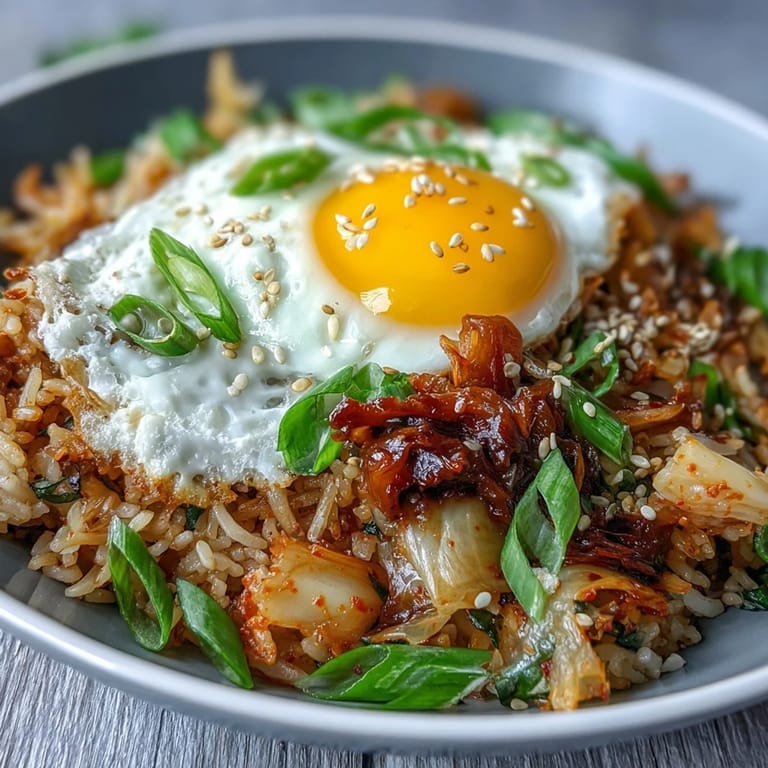
Save There are evenings when I crave something fiery and bold, and the unmistakable tang of kimchi starts calling my name. One particularly loud thunderstorm last spring, I found myself pulling wilted cabbage from the crisper and rescuing leftover rice from the back of the fridge, eager for a cozy meal laced with sizzle and comfort. The crackle of the skillet won out over the rain, and before long the bright, punchy aroma of kimchi fried rice filled the air.
One rainy Saturday afternoon, I made this fried rice for a friend stuck at my place after missing her bus—she claimed it was the dish that convinced her she loved kimchi. We ate it straight from big bowls, blowing on each bite to keep from burning our tongues, giggling at the red chili paste stains blooming on our napkins.
Ingredients
- Napa cabbage: Adds crisp texture and gentle sweetness; slice it thin so it softens quickly and evenly in the pan.
- Kimchi (plus some juice): The star—choose one that's tangy and not too watery, and never skip pouring in a bit of the brine for extra punch.
- Green onions: Lend fresh sharpness; save some for scattering on top as garnish for a welcome pop of color and flavor.
- Carrot (optional): For a quick jolt of color and crunch—use a julienne peeler if you have one so they cook as fast as the cabbage.
- Cooked jasmine or short-grain rice (chilled, ideally day-old): Cold, dry rice fries up clumpy and chewy, not mushy—your fried rice’s best friend.
- Soy sauce: Use a good-quality soy sauce for a deep, umami base that seasons every grain.
- Gochujang (optional): This thick chili paste brings an earthy, building warmth; start with a spoonful if you're new to its heat.
- Toasted sesame oil: Wait to drizzle this until the end, to lock in that nutty aroma that rounds everything out.
- Sugar & black pepper: Even a tiny spoonful of sugar balances the kimchi’s acidity, while a swirl of pepper wakes everything up.
- Eggs: Fry until the edges crisp but the yolk stays golden and runny, practically a built-in sauce.
- Neutral oil: Use an oil that won’t smoke or overpower, like canola or vegetable.
- Toasted sesame seeds: Sprinkle with a heavy hand—these little seeds provide a satisfying crunch in every bite.
- Extra green onions: Shower the finished bowls so each mouthful gets a bit of their brightness.
Tired of Takeout? 🥡
Get 10 meals you can make faster than delivery arrives. Seriously.
One email. No spam. Unsubscribe anytime.
Instructions
- Set up your mise en place:
- Begin by slicing and chopping all your vegetables and measure out the sauces—having everything ready will make the frying swift and fun.
- Sweat the vegetables:
- Heat half your oil in a big skillet or wok; toss in the cabbage and carrot, stirring constantly until they soften and their edges barely brown.
- Add kimchi and green onions:
- Stir in the chopped kimchi (with a good splash of its brine) and the green onions; you’ll get an immediate spicy, mouthwatering aroma.
- Rice goes in:
- Add the cold rice, using a sturdy spatula to break up clumps and ensure each grain catches some heat.
- Flavor finish:
- Drizzle over soy sauce, gochujang if desired, sesame oil, sugar and black pepper; stir-fry briskly until everything is piping hot and evenly coated, colors deepening.
- Final taste:
- Sneak a spoonful and adjust with a dash more soy or kimchi brine to taste, if you like a stronger punch.
- Fry eggs:
- In a separate nonstick pan, heat the remaining oil and crack in the eggs; fry until whites are set but yolks stay glossy.
- To serve:
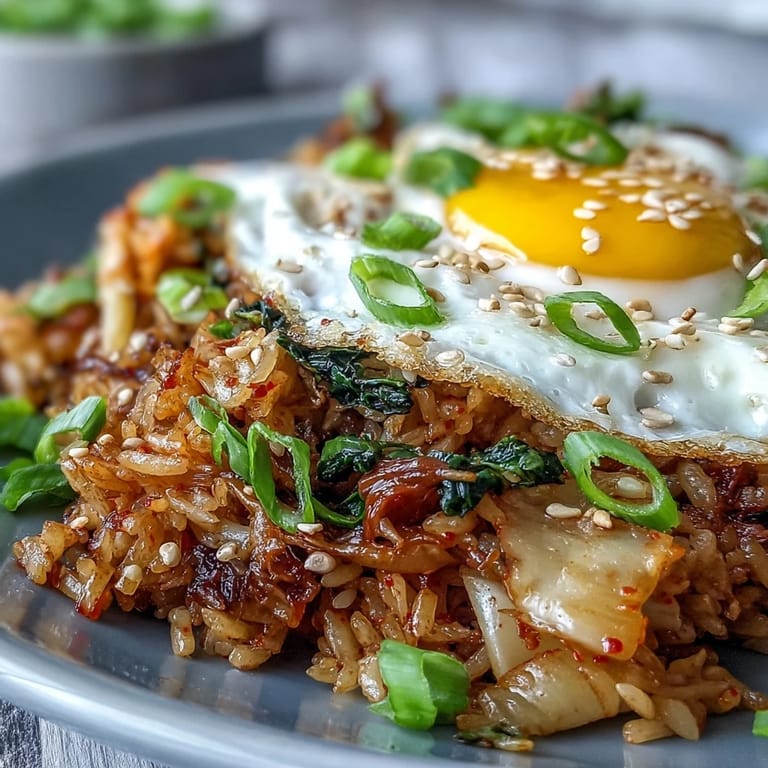
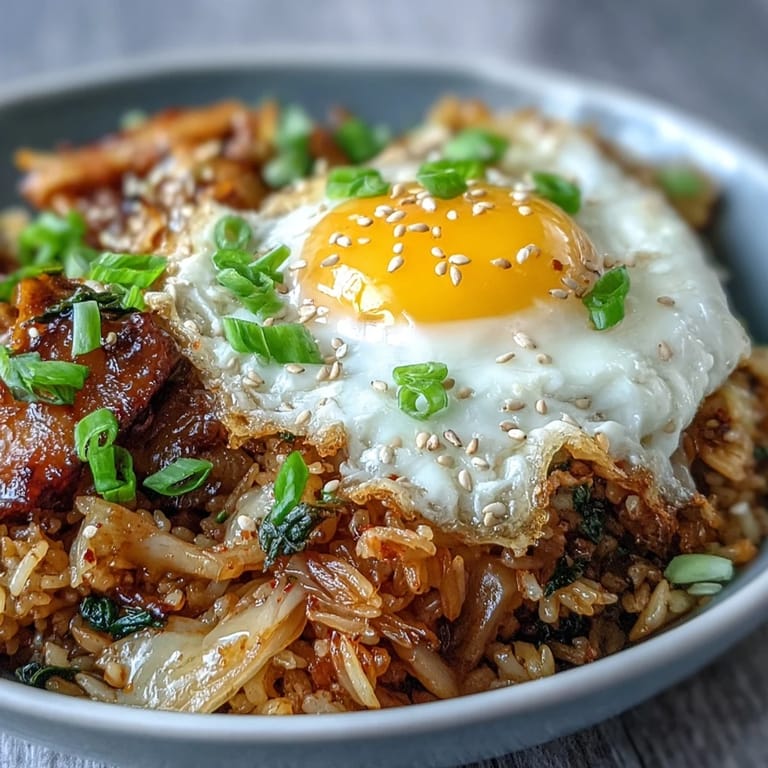
- Scoop fried rice into bowls, slide a golden egg on each, then finish with sesame seeds and plenty of fresh green onions.
 Save
Save 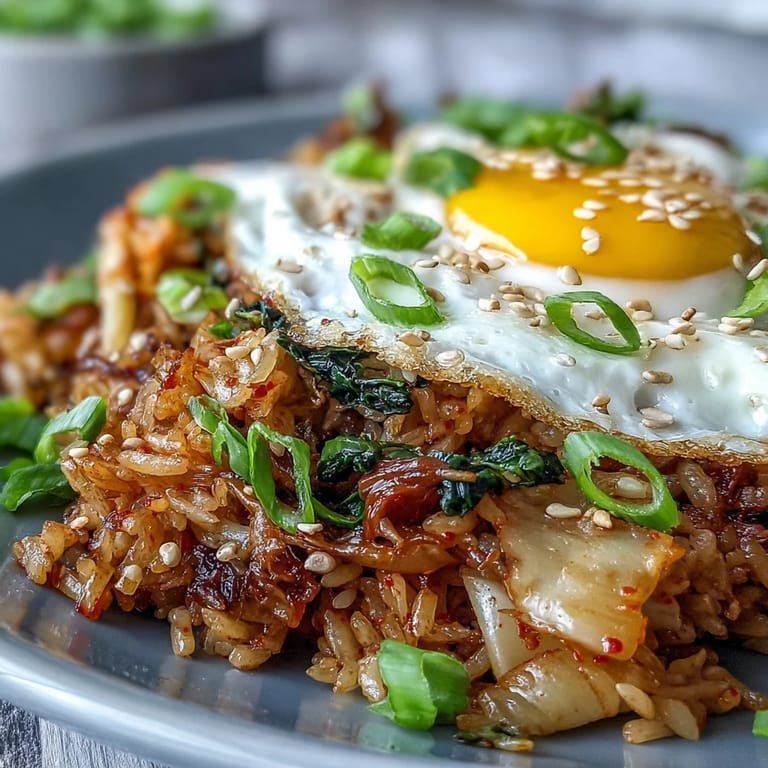 Save
Save The night we celebrated my roommate’s new job, we devoured bowls of this fried rice standing around the kitchen island. Smeared bowls, sesame seeds underfoot, laughter rolling louder than the music—suddenly fried rice meant home, and small triumphs deserved a spicy feast.
Making the Most of Your Kimchi
Kimchi varies wildly—some are fiercely spicy, some sweeter or punchier—so taste your jar before cooking and adjust accordingly. If it’s older and sharper, it’ll caramelize especially well in the pan, lending deep, toasty undertones to the rice.
The Secret to Non-Soggy Fried Rice
Chilled, day-old rice is a must—if you only have fresh rice, spread it on a tray and refrigerate for at least 30 minutes to dry out. Skipping this step can leave your fried rice mushy instead of distinct and satisfying.
Finishing Touches That Matter
Sprinkling sesame seeds and extra green onions on top does more than pretty up the bowl—it brings crunch, bite, and a little burst of health. The sizzling, runny egg turns each forkful into magic, binding the spicy bits with silk.
- Wipe the skillet quickly between batches if doubling up.
- Try adding sautéed mushrooms for an earthy twist.
- Keep the pan hot but not smoking for everything to cook in sync.
 Save
Save 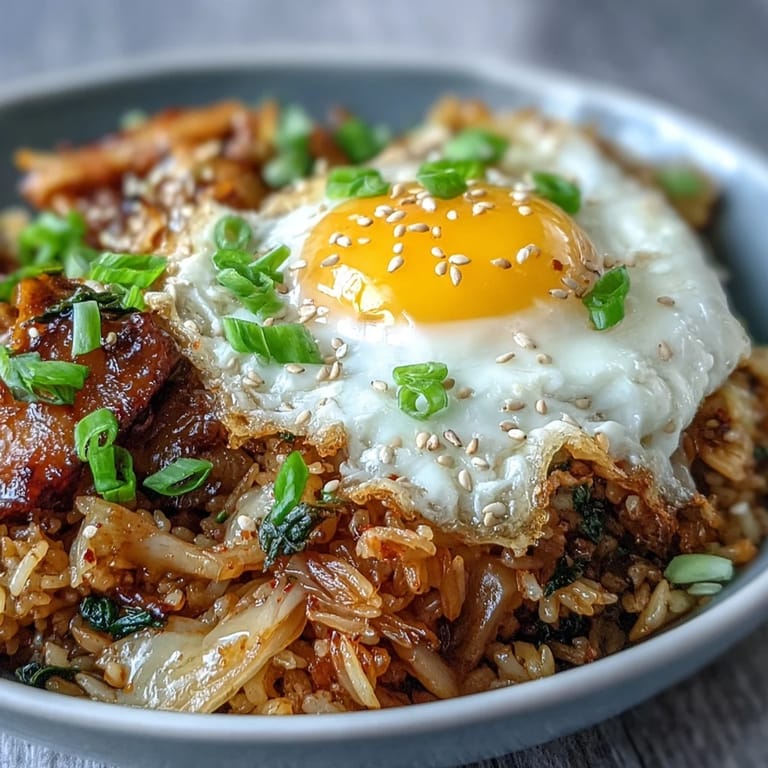 Save
Save Make enough for seconds—there’s always someone who’ll want another bowl. You might even find yourself looking forward to rainy nights and leftover rice.
Recipe FAQ
- → What rice works best for this dish?
Day-old jasmine or short-grain rice is ideal because it’s drier and separates easily, giving better chew and avoiding a mushy texture when stir-fried.
- → How much kimchi should I use for balanced heat?
Use about 1/2 cup chopped kimchi with a little of its juice to add tang and spice; reduce gochujang or omit it if you prefer milder heat.
- → Can I make this vegetarian or vegan?
Yes—choose vegetarian kimchi (no fish sauce) and replace the fried egg with sautéed mushrooms, crumbled tofu, or seasoned tempeh for a vegan-friendly version.
- → How do I prevent soggy vegetables and rice?
High heat and quick stir-frying help evaporate excess moisture. Cook cabbage briefly until just tender, then add chilled rice to separate grains and get light browning.
- → Should I use oil types differently for flavor?
Neutral oil (vegetable or canola) is best for frying; finish with 1 teaspoon toasted sesame oil for aroma rather than cooking at high heat, which can burn it.
- → Any tips for reheating leftovers?
Reheat in a hot skillet with a splash of oil or water to loosen the rice, stirring until heated through; add a fresh egg on top for best texture and richness.