 Save
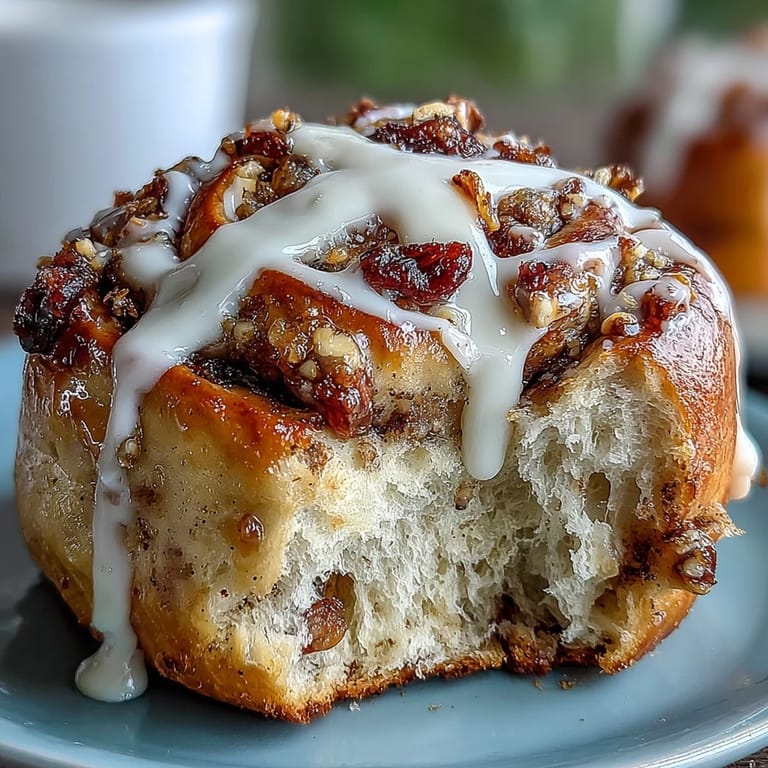
Save The first waft of warm spice hit me as I leaned in to crack open the oven door, unsure if I had overdone it as the recipe demanded patience at every step. I didn't grow up eating hot cross buns, but one rainy April afternoon I found myself humming that old nursery rhyme, suddenly desperate to see those iconic white crosses lined up on my own kitchen counter. Making them from scratch, every step from kneading the soft dough to carefully piping the tops, gave me the sense that I was conjuring up celebration out of ordinary ingredients. These buns have since become part of my spring ritual, their scent enough to put a pause on a busy day. If there’s a gray sky outside, I can’t think of a better excuse to fill the kitchen with the promise of something fresh and sweet.
I once whipped these up for a house of sleepy cousins on Easter morning, not entirely confident I'd nailed the proofing. As the timer beeped, we gathered around in pajamas, laughing at my wobbly first crosses and counting down until the glaze cooled just enough to touch.
Ingredients
- Bread flour: This is the backbone for the buns’ structure—go for bread flour for better chew and rise, though all-purpose works in a pinch.
- Granulated sugar: Adds sweetness and helps activate the yeast—sift it in well so it dissolves evenly.
- Active dry yeast: Absolute key to fluffiness; check the date since old yeast means sad, dense buns.
- Salt: A tiny spoonful unlocks the flavors, and skipping it once left my batch oddly flat.
- Ground cinnamon, nutmeg & allspice: Their blend gives these buns their signature, inviting scent—don’t be shy about freshly grating nutmeg if you have it.
- Whole milk, lukewarm: Warm (not hot!) milk nudges the yeast awake; I use a finger test to avoid scalding.
- Unsalted butter, melted: Brings tenderness and flavor; melted, it’s so much easier to mix in.
- Eggs, room temperature: Eggs help bind and enrich—leave them out early to prevent shocking the dough.
- Raisins or currants: Plump, sweet bursts in every bite; soak them if you want extra juiciness.
- Orange zest (optional): My personal favorite for brightness that punches through the spice.
- All-purpose flour (for cross paste): Mixed with water, it’s thick enough to pipe firm, neat crosses (I once made them too runny—lesson learned).
- Apricot jam or honey for glaze: This shines up the tops and seals in softness; strain the jam to avoid clumps.
Tired of Takeout? 🥡
Get 10 meals you can make faster than delivery arrives. Seriously.
One email. No spam. Unsubscribe anytime.
Instructions
- Mix the Dry Ingredients:
- Tip the bread flour, sugar, yeast, salt, cinnamon, nutmeg, and allspice into a large bowl. The aroma jumps out as you stir—take a second to breathe it in.
- Combine Wet Ingredients:
- Pour in the lukewarm milk, melted butter, and eggs. Mix until you get a shaggy, sticky dough that clings—don’t worry, it will smooth out soon.
- Knead the Dough:
- Knead by hand or use a stand mixer for 8 to 10 minutes until the dough turns supple and elastic. It should stretch when tugged, bouncing back gently.
- Add Fruit and Zest:
- Knead in the raisins and orange zest just until dotted evenly—avoid crushing the raisins as you go.
- First Rise:
- Grease a bowl lightly, turn in the dough, and cover snugly. Let it rise in a warm spot for about an hour or until doubled and soft to touch.
- Shape the Buns:
- Punch down the dough to release air, then cut into 12 pieces. Cup your hand and gently roll each into a taut ball—imperfect rounds are part of the charm.
- Second Rise:
- Set the buns on a parchment-lined tray, leaving them room to grow. Cover and let them puff up again for 45 minutes.
- Prepare Oven and Cross Paste:
- Heat your oven to 375°F (190°C). Mix the cross paste flour and water until you have a thick, smooth pipeable consistency.
- Pipe Crosses:
- Spoon the paste into a piping or zip-top bag, snip the end, and draw a line down the center and across each bun. Don’t stress if the lines wobble—it’s your signature touch.
- Bake:
- Slide the tray in and bake 20 to 25 minutes until beautifully golden and the buns sound hollow when tapped.
- Make the Glaze:
- While the buns bake, heat jam or honey gently with water until smooth and runny.
- Glaze the Buns:
- As soon as the hot buns emerge, brush each generously with glaze for shine and softness.
- Cool and Enjoy:
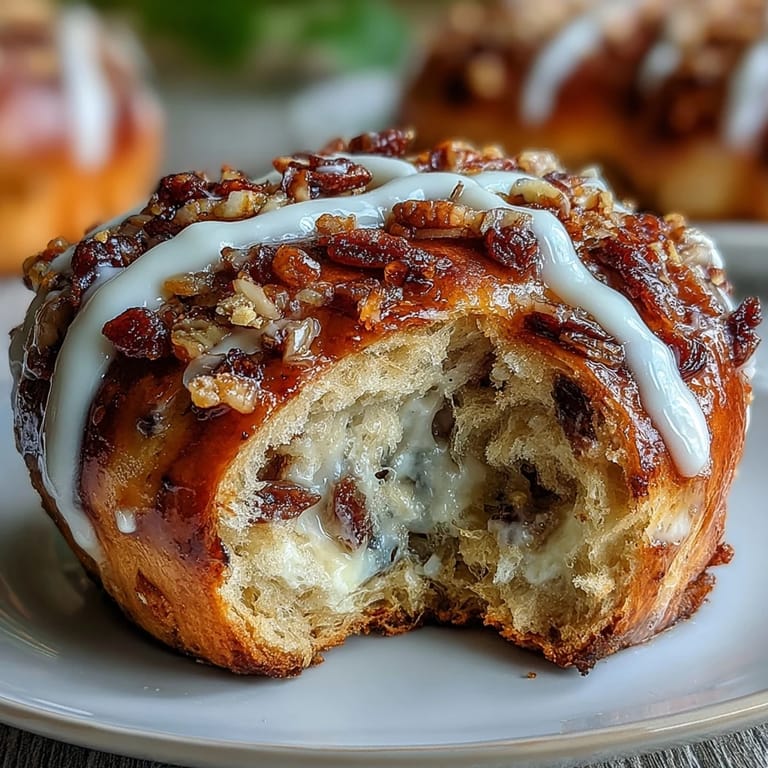
- Let them cool a few minutes before lifting off the tray, but try one warm with butter—it always disappears first.
 Save
Save 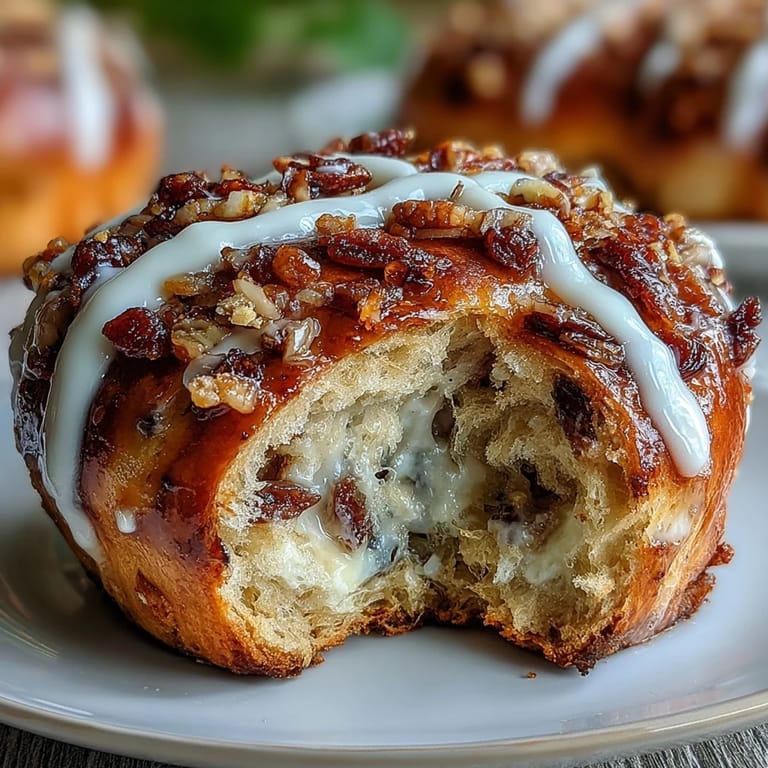 Save
Save One year my best friend wandered in as I was glazing the just-baked buns, and we ended up eating three apiece while trading stories at the kitchen counter. There’s a kind of kinship that comes only from sharing sticky fingers and steam-laced laughter over something homemade.
All About the Cross (and Making It Your Own)
I used to think piping the cross would take a steady hand and years of practice, but it’s become the part I look forward to most. Even wobbly lines give every bun its own personality, and sometimes I swap in lemon zest or a dash of vanilla for a twist on the classic look.
Troubleshooting: Softness, Stickiness and Fruit Distribution
There was a batch where all my fruit slid to one side—turns out, gently rolling the dough after adding the raisins helps keep them evenly spread. If buns look pale or dry, extra glaze works wonders and saves their softness for the next day too.
Serving, Storing, and Next-Day Magic
These buns are at their pillowy best when just cooled but have a second life toasted, slathered with butter (or a little marmalade if you’re feeling fancy).
- Sneak one while it’s still warm—it’s worth it.
- If freezing, wrap them tight and reheat gently for bakery-fresh texture.
- Brushing leftover buns with a bit of glaze before reheating perks them back up beautifully.
 Save
Save  Save
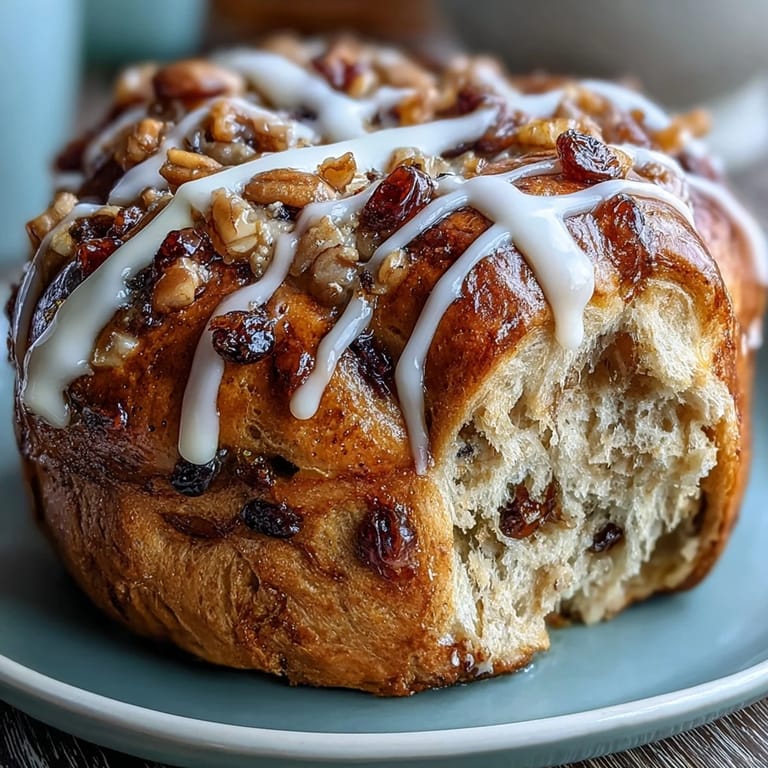
Save There’s nothing quite like baking hot cross buns from scratch for those you love—even if all you’re marking is the magic of an ordinary afternoon. May your kitchen smell as inviting as mine does when the buns come out golden, soft, and ready to share.
Recipe FAQ
- → How do I keep the buns soft the next day?
Store cooled buns in an airtight container at room temperature for up to 2 days. Reheat briefly in a low oven or microwave with a damp paper towel to restore softness. For longer storage, freeze on a tray then transfer to a freezer bag.
- → Can I swap raisins for other dried fruits?
Yes. Chopped dried apricots, cranberries or mixed peel work well—use the same weight and fold them in after initial kneading. If fruits are very dry, briefly soak in warm water or orange juice and drain before adding.
- → What prevents dense, heavy buns?
Ensure the dough is kneaded until smooth and elastic, use active yeast at the correct temperature (lukewarm milk), and allow full rises: first until doubled and a second proof until noticeably puffy. Underproofing and too-cold dough give dense texture.
- → How do I make the white cross stand out?
Mix plain flour with enough water to form a thick, pipeable paste. Pipe crosses onto proofed buns just before baking so they keep shape. A slightly thicker paste will hold a defined line without spreading in the oven.
- → Best way to get a glossy glaze?
Warm apricot jam with a tablespoon of water until smooth, strain if necessary, then brush immediately on hot buns as they come from the oven. For a lighter shine, use honey thinned with warm water.
- → Can I use instant yeast instead of active dry yeast?
Yes. Use the same weight of instant yeast and mix it directly into the dry ingredients. You may see slightly faster rise times, so keep an eye on the dough rather than relying strictly on times.